Streamlining Your KDP Catalog with a Professional Photography Log Book Interior
The landscape of self-publishing has evolved significantly over the last decade. What began as a platform primarily for fiction and memoirs has transformed into a robust marketplace for functional, utility-driven publications. For entrepreneurs, marketers, and creators operating within the low or no-content book niche, success is no longer defined merely by volume but by specificity and quality. In this refined ecosystem, the Photography Log Book KDP Interior has emerged as a critical asset for publishers looking to serve the analog needs of visual artists in an increasingly digital world.
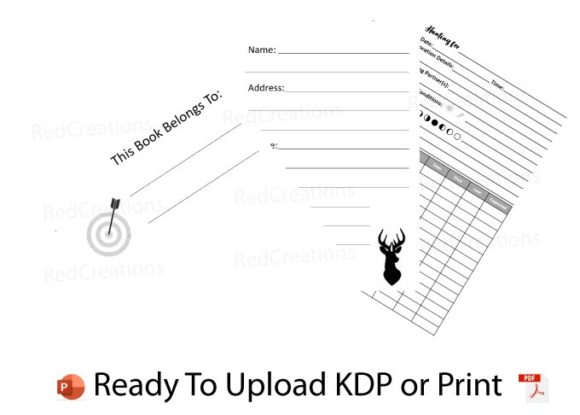
This specialized interior template is not just a collection of blank lines; it is a strategic product designed to bridge the gap between technical data management and creative reflection. With a standard trim size of 6 x 9 inches and a no-bleed configuration, this 120-page resource is formatted and tested specifically for Amazon’s print-on-demand requirements. It arrives ready for printing and includes four distinct PDF variants, allowing publishers to offer diversity within their catalog without additional design overhead. Understanding why this specific tool resonates with today’s market requires a deeper look at the intersection of photography workflows, consumer behavior, and the economics of niche publishing.
The Resurgence of Analog Documentation in Digital Workflows
To understand the commercial viability of a Photography Log Book KDP Interior, one must first understand the shifting preferences of the modern photographer. While image capture and editing are overwhelmingly digital, the cognitive load associated with managing metadata, lighting setups, and location scouting remains high. Many professionals and enthusiasts have found that relying solely on digital note-taking apps creates friction. Screens are distracting, batteries die during long shoots, and the tactile act of writing has been proven to enhance memory retention and intentionality.
This trend toward "digital detox" in professional workflows is not a rejection of technology, but rather a refinement of it. Photographers are seeking dedicated physical spaces to record variables that software often overlooks: the emotional tone of a session, specific client requests that deviate from the brief, or environmental conditions that affected the shoot. A well-designed log book serves as an external hard drive for the creative mind. By providing a structured yet flexible layout, this interior template addresses a genuine pain point. It validates the user's need for organization while respecting the artistic nature of their work. For the KDP publisher, this means you are not selling paper; you are selling workflow optimization and mental clarity.
Meeting the Demand for Niche Specificity
The era of generic notebooks on Amazon KDP is largely over. Today’s consumers are sophisticated searchers who use long-tail keywords to find products that solve exact problems. They are not searching for "notebook"; they are searching for "film photography exposure log," "studio lighting tracker," or "location scout journal." The Photography Log Book KDP Interior is engineered to capture this high-intent traffic.
Relevance is the primary metric for conversion in the current marketplace. When a potential buyer lands on your book page, they need to see immediate proof that the interior matches their specific discipline. This is where the inclusion of four different PDF variants becomes a significant competitive advantage. Rather than offering a one-size-fits-all solution, these variants allow you to cater to different sub-niches within photography. One variant might focus heavily on technical camera settings for studio work, while another might emphasize location details and natural light conditions for landscape photographers. This level of granularity signals expertise and builds trust, which are essential factors in converting browsers into buyers.
Technical Precision as a Business Asset
For freelancers and entrepreneurs building a sustainable publishing business, operational efficiency is paramount. Time spent troubleshooting formatting errors, adjusting margins, or resubmitting files due to bleed issues is time lost from marketing and product development. The value proposition of this Photography Log Book KDP Interior extends beyond its end-user appeal; it lies in its production-ready reliability.
Formatted strictly for the 6 x 9 trim size with no bleed, this template eliminates the most common pitfalls in KDP publishing. The 120-page count is optimized for cost-efficiency, hitting a sweet spot that allows for a competitive price point while maintaining a perceived value of substantial utility. Because the files have been pre-tested, publishers can bypass the anxiety of the proofing stage and move directly to upload. This streamlined workflow is essential for those treating KDP as a serious revenue stream rather than a hobby. It allows for rapid iteration and scaling, enabling creators to populate their shelves with high-quality assets consistently.
Aligning with Broader Creative Economy Trends
The relevance of specialized log books also ties into larger developments within the creator economy. We are currently witnessing a professionalization of amateur pursuits. As more individuals turn photography from a pastime into a side hustle or full-time career, the demand for professional-grade organizational tools increases. These new professionals are adopting the habits of established veterans, including meticulous record-keeping for tax purposes, portfolio development, and client accountability.
Furthermore, there is a growing appreciation for the "process" over the "result" in creative communities. Social media platforms and educational content increasingly highlight behind-the-scenes workflows. A photography log book is a tangible artifact of that process. It represents discipline, growth, and professionalism. By positioning your KDP product within this narrative, you align your brand with values that resonate deeply with the target audience. You are supporting their journey toward mastery, which fosters brand loyalty and encourages repeat purchases.
Strategic Catalog Expansion and Audience Retention
In the low and no-content publishing space, customer lifetime value is often overlooked in favor of acquisition. However, the most successful publishers build ecosystems around their products. The Photography Log Book KDP Interior serves as an excellent anchor product for a broader niche strategy. Its versatility makes it compatible with other related titles, such as model release trackers, editing checklists, or business planners for creatives.
Because this product is ready for printing and includes multiple variants, it lowers the barrier to entry for testing new market segments. Publishers can experiment with different cover designs targeting various demographics—wedding photographers, wildlife enthusiasts, or product shooters—while utilizing the same reliable interior foundation. This modular approach to publishing reduces risk and maximizes the return on investment for each design hour spent.
Additionally, consistency breeds recognition. When customers find a log book that perfectly suits their needs, they naturally look to the same publisher for complementary tools. This is where community building comes into play. If you like our products and find value in the precision and readiness of this interior, we encourage you to subscribe to our profile. We are adding new products every few days, continuously expanding our library to support the evolving needs of professionals, creators, and entrepreneurs. Subscribing ensures you stay ahead of market trends and have immediate access to fresh, tested assets that keep your business agile.
Future-Proofing Through Functional Design
Looking forward, the distinction between digital and physical tools will continue to blur, but the need for specialized physical interfaces will remain. As AI and automation handle more of the technical aspects of photography, the human element of curation, intent, and storytelling will become even more valuable. Tools that facilitate these human-centric activities will retain their relevance.
A Photography Log Book KDP Interior is future-proof because it focuses on the unchanging fundamentals of the craft: observation, planning, and reflection. Technology changes rapidly, but the need to document one's creative decisions does not. By investing in high-quality, purpose-built interiors, publishers insulate themselves against the volatility of tech trends. They provide a stable, evergreen product that serves a perennial need.
Ultimately, success in the KDP space is about empathy for the user and efficiency for the creator. This photography log book interior embodies both. It respects the photographer's need for a dedicated, distraction-free documentation tool, and it respects the publisher's need for a flawless, scalable asset. Whether you are a seasoned marketer expanding your portfolio or a freelancer exploring new revenue streams, integrating professionally formatted, niche-specific interiors is a practical step toward building a resilient and responsive publishing business. The market is waiting for solutions that feel bespoke and intentional; with this ready-to-upload resource, you are perfectly positioned to provide them.