Evaluating the KDP Menopause Journal Interior for Self-Publishing and Personal Tracking
Navigating the perimenopause and menopause transition often requires meticulous tracking to identify patterns in symptoms, mood, and lifestyle factors. For self-publishers and individuals seeking a structured tracking tool, the KDP Menopause Journal Interior offers a specific solution designed for Amazon’s print-on-demand platform. This resource is distinct because it bridges the gap between a ready-to-use consumer product and a customizable template for creators. Understanding its specific components, format limitations, and practical applications is essential for determining whether it aligns with your publishing goals or personal health management needs.
Core Components and Technical Specifications
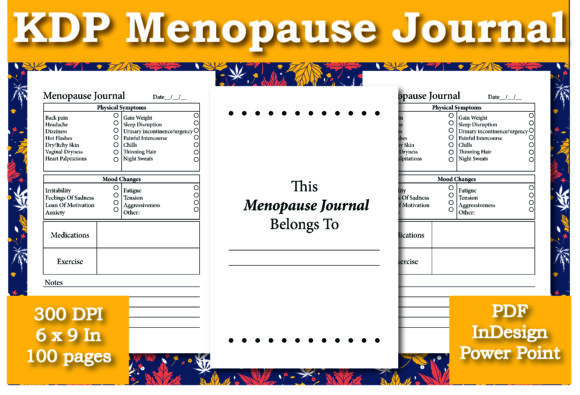
The primary value proposition of this journal interior lies in its technical versatility. Unlike standard PDF-only templates that lock users into a fixed design, this pack includes editable source files. The inclusion of both Adobe InDesign and PowerPoint presentation files addresses two different user skill sets. Professional designers or those familiar with desktop publishing can utilize the InDesign files for granular control over typography, margins, and layout grids. Conversely, creators who lack access to expensive design software can use the PowerPoint files to modify text, adjust spacing, or rebrand the journal without a steep learning curve.
The physical specifications are optimized for Amazon KDP’s most popular trim size for journals: 6 x 9 inches. This dimension strikes a balance between portability and writing space, making it suitable for bedside tables or handbags. The interior comprises 100 pages, which is a strategic length for KDP publishing. It provides enough content to be perceived as a substantial book while keeping printing costs low enough to maintain a competitive royalty margin. The pre-formatted PDF file ensures that users who do not wish to make edits can upload the document immediately, streamlining the path from acquisition to publication or personal printing.
Structured Tracking Sections and Their Utility
Effective symptom tracking relies on consistent data entry. This journal interior organizes information into five distinct categories, each serving a specific analytical purpose:
- This Menopause Journal Interior Belongs To: A dedicated ownership page that also serves as a medical emergency contact sheet or a space for listing primary care providers.
- Physical Symptoms: Structured logs for tracking hot flashes, night sweats, sleep quality, and pain levels. This section allows users to correlate physical sensations with cycle days or external triggers.
- Mood Changes: Space for recording emotional fluctuations, anxiety levels, and cognitive symptoms like brain fog. Separating mood from physical symptoms helps distinguish between hormonal impacts and situational stressors.
- Medications: A tracker for hormone replacement therapy (HRT), supplements, and over-the-counter remedies. Consistency in medication tracking is vital for evaluating efficacy during doctor consultations.
- Exercise and Notes: Combined sections to log physical activity and freeform observations. Exercise has a direct correlation with symptom severity, and the notes section captures qualitative data that checkboxes miss.
Comparing Editable Templates Versus Pre-Made Alternatives
When selecting a journal interior, buyers typically choose between three categories: fully custom design, pre-made editable templates like this one, and static non-editable PDFs. Each approach presents distinct tradeoffs regarding time investment, cost, and uniqueness.
Hiring a freelance designer to create a bespoke menopause journal ensures a unique product but often costs several hundred dollars and requires weeks of revision cycles. For publishers testing the market or individuals wanting a functional tool without high upfront costs, this price point is frequently prohibitive. On the other end of the spectrum, static PDFs are inexpensive but offer zero differentiation. If multiple sellers use the same uneditable file, their products become indistinguishable commodities, leading to price wars and poor discoverability.
The KDP Menopause Journal Interior occupies a middle ground. By providing editable source files, it allows for customization that creates a unique ASIN (Amazon Standard Identification Number) without requiring professional design skills. Users can change fonts, add logos, modify prompts, or rearrange sections to target specific sub-niches, such as surgical menopause or holistic management. This adaptability is the key differentiator. However, it does require a time investment. Users must be willing to learn basic formatting in PowerPoint or InDesign to truly leverage the editable nature of the files. Those unwilling to engage with the source files are effectively purchasing a static PDF at a template price point.
Evaluating Format Compatibility and Workflow
A critical decision factor is software compatibility. While InDesign is the industry standard for book layout, it requires a subscription. The inclusion of PowerPoint files significantly lowers the barrier to entry, but it introduces potential formatting risks. PowerPoint is not a native typesetting tool; moving elements can sometimes shift margins or alter bleed settings. Users choosing the PowerPoint workflow must rigorously check the final PDF export against KDP’s previewer to ensure no content falls outside the safe zone.
In contrast, dedicated book formatting tools like Atticus or Vellum offer more automated safety checks but lack the specific menopause-focused content structure found in this template. Generic journal templates may have beautiful layouts but lack the specialized prompts necessary for effective symptom tracking. The specificity of this interior saves research time, as the categories are already aligned with common clinical recommendations for menopause management.
Best Fit Scenarios and Limitations
Determining whether this resource is appropriate depends heavily on the user’s end goal. For KDP publishers, this interior is best suited for those building a niche health brand rather than a general stationery store. The specific content limits its audience but increases its relevance. Publishers targeting broad "wellness" demographics may find the menopause-specific prompts too narrow. However, for those focusing specifically on midlife women’s health, the structured sections provide immediate authority and utility that generic lined notebooks cannot match.
For personal users intending to print the journal at home or via a local print shop, the 6x9 size is convenient, but the 100-page count may feel limiting for long-term tracking. Menopause transitions span years, and a single volume covers only a few months of daily logging. Personal users should evaluate whether they prefer a comprehensive multi-year binder system or a series of shorter, discrete volumes. This journal supports the latter approach effectively.
Tradeoffs in Content Depth and Customization
While the five included sections cover the fundamentals, they may not address every individual’s experience. Some users require trackers for dietary intake, hydration, or specific lab results. The editable nature of the files mitigates this limitation, but only if the user possesses the initiative to add these sections. Buyers expecting an exhaustive medical encyclopedia within the journal may be disappointed. It is a foundational tracking tool, not a comprehensive medical reference.
Additionally, the aesthetic style of pre-made templates tends toward functional minimalism to accommodate easy editing. Publishers seeking ornate, illustrated, or highly stylized interiors may find the base design too plain. While graphics can be added, the template prioritizes usability and editability over artistic complexity. This is a deliberate tradeoff: highly decorated templates are often difficult to modify without breaking the design integrity, whereas this cleaner layout invites alteration.
Making an Informed Selection
The decision to acquire this KDP Menopause Journal Interior should be based on a realistic assessment of technical capability and content needs. It represents a pragmatic solution for creators who understand that value in the KDP ecosystem comes from specificity and customization. The dual-format delivery (InDesign and PowerPoint) acknowledges the varied skill levels of modern self-publishers, while the 100-page 6x9 specification adheres to proven market standards.
However, it is not a universal fix. Those seeking a completely hands-off, ready-to-sell product without any modification will face saturation issues. Those needing advanced medical tracking beyond the five core categories must be prepared to do additional design work. Ultimately, this journal interior functions best as a robust starting point—a professional-grade scaffold upon which users can build a differentiated product or a personalized health management system. Evaluating it against your specific capacity for customization and your target audience's precise tracking needs will determine its true return on investment.