100 Books Challenge Tracker: A Practical Tool for Readers, Creators, and Publishers
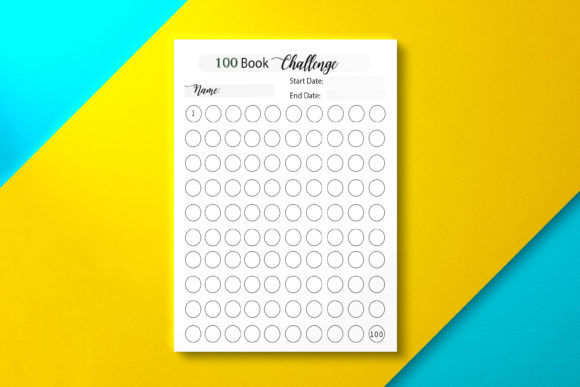
Ambitious reading goals require more than just motivation; they demand a reliable system. The 100 Books Challenge Tracker serves as that foundational infrastructure for anyone attempting to read one hundred books in a single year or specific timeframe. Unlike digital apps that can become distracting or overly complex, a dedicated physical tracking sheet offers a tactile connection to progress. This tool is specifically designed to bridge the gap between setting an audacious goal and actually achieving it through consistent, visible documentation.
At its core, this tracker is a focused organizational aid. It strips away social media integration, notifications, and algorithmic recommendations to provide a clean, singular space for recording titles, authors, dates, and ratings. For adults balancing careers, families, and personal development, this simplicity is a feature, not a limitation. It transforms an abstract number into a concrete visual representation of effort, making the daunting task of reading two books a week feel manageable and structured.
Personal Accountability and Habit Formation
For everyday readers and hobbyists, the primary value of the 100 book challenge sheet lies in behavioral psychology. Seeing empty boxes or blank lines creates a gentle psychological pull known as the Zeigarnik effect, where incomplete tasks stay top-of-mind. When you have a dedicated A4 or Letter-sized sheet pinned to a bulletin board or tucked inside a journal, it acts as a constant environmental cue.
Consider the busy professional who wants to read more but struggles with consistency after work. Using a Half Letter or A5 tracker that fits inside a planner or laptop bag ensures the goal travels with them. During a commute or lunch break, glancing at the tracker reinforces their identity as a reader. It shifts the mindset from "I should read sometime" to "I am currently on book 34 of 100." This tangible tracking method helps prevent the mid-year slump that derails many reading challenges by keeping long-term objectives visible during daily routines.
Educational Applications and Student Success
Educators and students utilize these trackers differently than casual readers. In academic settings, volume often correlates with vocabulary acquisition and critical thinking skills. A teacher might use the A4 format as a classroom display to gamify reading without relying on screens. Students can color in segments or fill out rows, turning literacy into a collective yet personal achievement.
For homeschoolers or self-directed learners, the 6×9 size is particularly effective. It matches standard textbook and notebook dimensions, allowing the tracker to be integrated seamlessly into existing study systems. Rather than treating reading as a separate chore, it becomes part of the core curriculum documentation. Parents can use these sheets to verify independent reading time, ensuring that the quantity of books consumed aligns with educational benchmarks while still allowing children the autonomy to choose their own materials.
Content Creation and Professional Development
Bloggers, marketers, and entrepreneurs often read to generate ideas rather than purely for leisure. For this demographic, the 100 Books Challenge Tracker functions as a content calendar and research database. When you are producing weekly articles, podcasts, or newsletters, remembering which book contained that specific insight about consumer behavior or leadership is crucial.
A creator might use the Letter or A4 version to leave ample margin space for notes, key quotes, or content ideas triggered by each title. This turns a simple list into a proprietary knowledge base. Instead of scrolling through Goodreads reviews to recall a point made six months ago, they have a curated index of their intellectual journey. Freelancers and coaches also use completed trackers as social proof. Sharing a photo of a fully filled-out sheet demonstrates discipline and expertise to potential clients far more effectively than a generic claim about being well-read.
Publishing Opportunities and KDP Readiness
Beyond personal use, these product files serve a distinct commercial purpose for publishers and low-content book creators. The inclusion of Ready KDP upload formats means these trackers are pre-formatted for Amazon’s print-on-demand specifications. This eliminates the technical friction of calculating bleed, margins, and safe zones for various trim sizes.
Creators looking to build a portfolio of journals and planners can leverage these ready-made interiors to test market demand quickly. Because the files cover the most popular trim sizes—Letter, Half Letter, A4, A5, and 6×9—publishers can offer variations that suit different customer preferences without redesigning the layout from scratch. The 6×9 format, for instance, is a bestseller in the journal category due to its portability, while A4 appeals to those who want a desk reference. Having professionally formatted PDFs ensures that the final printed product looks crisp and intentional, which is essential for maintaining positive reviews and sales velocity in a competitive niche.
Selecting the Right Format for Your Context
Choosing between Letter, Half Letter, A4, A5, and 6×9 depends entirely on where and how the tracker will live. There is no universally superior size, only the size that reduces friction for your specific lifestyle.
- Letter and A4: Best for wall displays, clipboards, or users who want extensive note-taking space alongside titles. Ideal for classrooms or home offices where the tracker serves as a visual anchor.
- Half Letter and A5: Perfect for integration with standard planners like Filofax or Erin Condren. These sizes cater to users who want their reading log to coexist with their daily schedule and to-do lists.
- 6×9: The ultimate portable option. Fits in coat pockets and small bags. Best for commuters, travelers, or those who prefer a minimalist approach without extra whitespace.
Before downloading or purchasing, consider your binding preference. If you plan to bind the sheets into a book, ensure you select the file with appropriate gutter margins. If you intend to print single sheets at home for immediate use, standard margins on Letter or A4 will maximize your printable area. Understanding these physical constraints prevents frustration and ensures the tool actually gets used rather than sitting in a digital folder.
Making the Challenge Sustainable
The 100 Books Challenge Tracker is ultimately a tool for sustainability, not just measurement. Reading one hundred books is an endurance sport. There will be weeks when life intervenes, books are disappointing, or burnout sets in. A well-designed tracker accommodates this reality. It allows for DNFs (Did Not Finish), re-reads, and audiobooks if the user chooses to define their challenge inclusively.
When using these sheets, focus on the data that matters to you. Some users track star ratings; others track page counts or genres. The flexibility of a printable PDF means you aren't locked into a developer's idea of what reading metrics matter. You can annotate freely, cross out entries, or highlight favorites. This ownership over the tracking process keeps the habit alive even when the pace slows down. Whether you are a parent modeling literacy for your children, an entrepreneur researching market trends, or a publisher expanding your catalog, the right tracker adapts to your evolving needs rather than demanding rigid compliance.